If you’ve ever seen someone texting about a “3rd of December sweater” or noticed it trending on TikTok, Instagram, or Snapchat, you might have wondered what it actually means.
This phrase isn’t just about fashion—it’s packed with emotional meaning, nostalgia, and modern internet culture.
Understanding the 3rd of December sweater meaning helps you decode emotional messages, viral trends, and subtle hints people drop in chats and captions.
In today’s digital world, slang and symbolic phrases evolve fast, and missing their meaning can leave you confused or out of the loop.
This guide breaks down everything you need to know, from its origin to how people use it in real conversations—Updated 2026 for accuracy and relevance.
What Does “3rd of December Sweater” Mean? Definition & Origin:
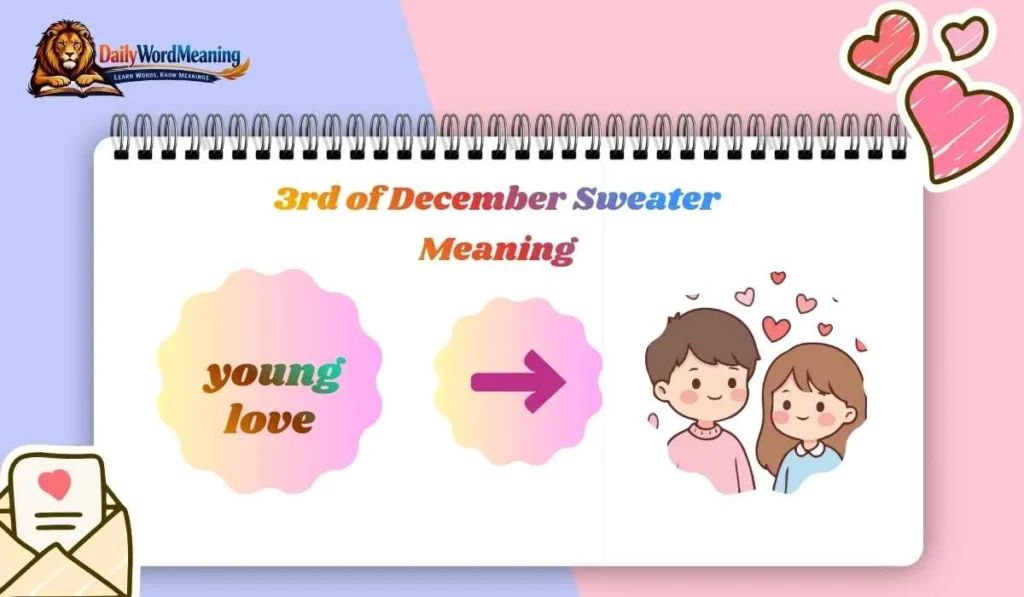
The 3rd of December sweater meaning refers to a sentimental moment tied to a popular song lyric that symbolizes young love, memories, and emotional attachment.
Origin of the Phrase
The phrase comes from the song “Heather” by Conan Gray, released in 2020. One iconic lyric says:
“I still remember, third of December, me in your sweater…”
This single line sparked a massive emotional reaction online and quickly became a viral reference across TikTok, Twitter (X), and texting culture.
What It Symbolizes
In modern chat slang, the 3rd of December sweater represents:
- A romantic memory
- A time when someone felt loved or close
- Wearing someone’s sweater as a sign of emotional warmth
- Nostalgia for a past relationship or crush
- Sometimes, unrequited love
It’s less about the actual date and more about the feeling tied to the memory.
Why Is the 3rd of December So Important Online?
Every year on December 3rd, social media explodes with posts, captions, and texts referencing sweaters.
Cultural Meaning in Internet Slang
Online, the 3rd of December sweater meaning has evolved into a cultural signal:
- If someone posts about it, they’re often thinking about someone special
- It can imply missing an ex or a crush
- Sometimes it’s used ironically to joke about being single
This date has become an emotional holiday for Gen Z, even though it’s unofficial.
How to Use “3rd of December Sweater” in Texts or Chat
People use this phrase subtly, especially in romantic or emotional conversations.
Common Chat Contexts
You’ll usually see it used in:
- Text messages
- TikTok captions
- Instagram stories
- Twitter/X posts
- Snapchat memories
- Reddit relationship threads
How It’s Used
Here are a few natural ways people use it:
- To hint at feelings without saying them directly
- To express nostalgia
- To reference a shared memory
- To join a viral trend
Examples of “3rd of December Sweater” in Conversations
Here are realistic chat-style examples to help you understand usage better:
Example 1: Romantic Hint
“Can’t believe it’s almost the 3rd of December again… still thinking about that sweater.”
Example 2: Sad/Nostalgic
“3rd of December hits different when you don’t have the sweater anymore.”
Example 3: Funny/Ironic
“It’s December 3rd and I don’t even have a sweater, let alone a person 😭”
Example 4: TikTok Caption
“Third of December vibes. Iykyk 🧥💔”
These examples show how flexible and emotional the phrase can be.
Emotional Meaning Behind the 3rd of December Sweater
The 3rd of December sweater meaning goes deeper than slang—it’s about human connection.
Why People Relate to It
- Almost everyone has experienced young love
- Clothing often holds emotional memory
- The song lyric feels personal and relatable
That’s why people use it even if they’ve never listened to the song fully.
How to Use It Correctly (Without Sounding Cringe)
Using this phrase incorrectly can make you sound forced or unaware of its emotional weight.
Best Practices
- Use it sparingly
- Only in emotional or reflective contexts
- Avoid using it in professional chats
- Don’t over-explain it—let it be subtle
When NOT to Use It
- Formal conversations
- Work emails
- Serious arguments
- With people unfamiliar with internet slang
Common Mistakes or Misunderstandings
Many people misunderstand the 3rd of December sweater meaning.
Mistake 1: Thinking It’s Just a Date
It’s not about December weather or shopping—it’s symbolic.
Mistake 2: Assuming Everyone Means the Same Thing
For some, it’s romantic. For others, it’s ironic or humorous.
Mistake 3: Overusing It
Posting it everywhere can make it lose emotional impact.
Is the 3rd of December Sweater Always Romantic?
Not always.
Different Interpretations
- Romantic: Missing someone special
- Sad: Remembering heartbreak
- Funny: Making fun of the trend
- Aesthetic: Cozy winter vibes
Context matters more than the phrase itself.
Why It Keeps Trending Every Year (Updated 2026 Insight)
Even in 2026, the trend remains strong because:
- TikTok revives it annually
- New listeners discover the song
- Nostalgia culture keeps growing
- Seasonal emotions peak in December
It has become a digital tradition, not just a lyric.
Related Slangs or Abbreviations You Should Know
If you’re interested in internet slang like this, here are related terms:
- Iykyk – If you know, you know
- Hits different – Feels emotionally stronger
- Core memory – A moment you never forget
- Soft launch – Subtle relationship hint
- Throwback feels – Nostalgic emotions
Internal linking suggestion:
You can link this article to guides on Iykyk meaning, Hits Different slang, or TikTok emotional trends for better SEO.
Why Understanding Slang Like This Matters
Knowing the 3rd of December sweater meaning helps you:
- Understand emotional subtext in chats
- Avoid awkward misunderstandings
- Stay culturally relevant online
- Connect better with younger audiences
Slang isn’t just words—it’s modern communication.
Conclusion:
The 3rd of December sweater meaning goes far beyond clothing or a calendar date.
It represents love, memory, warmth, and emotional vulnerability, shaped by music and amplified by social media.
Whether someone uses it seriously or humorously, the phrase carries a quiet emotional depth that resonates with millions.

Alex Carry is a passionate content writer and language researcher at DailyWordMeaning, dedicated to explaining modern words, slang, and internet terms in simple English.With a strong interest in digital culture and everyday language, Alex turns confusing meanings into clear, reader-friendly explanations.