In today’s fast-paced digital world, texting and chatting have developed their own unique language.
Among the many abbreviations and greetings circulating online, “salam” is one you’ve probably come across. But what exactly does it mean,
and why is it so widely used in chats, social media, and even professional messaging?
Understanding salam meaning is essential if you want to communicate effectively and respectfully across cultures.
Updated for 2026, this guide breaks down everything about salam, from its origins to real-life examples and tips for using it correctly in conversations.
What Does “Salam” Mean? Definition & Origin:
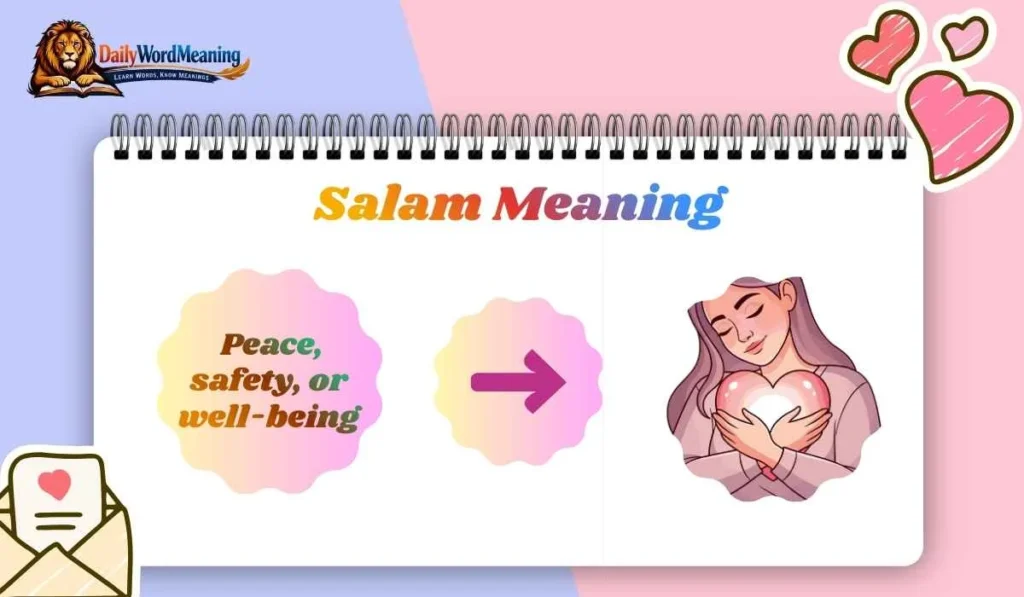
Salam is a greeting derived from the Arabic word “سلام”, which translates to “peace”. In essence, it’s similar to saying “hello” or “hi,” but it carries a deeper cultural and spiritual significance.
- Literal Meaning: Peace, safety, or well-being
- Common Usage: As a friendly greeting in texts, chats, and in-person conversations
- Origin: Arabic-speaking countries, but widely adopted by Muslims globally
Unlike standard greetings, salam is more than just a casual hello—it conveys goodwill, respect, and kindness, which is why it’s often preferred in formal or religious contexts.
How to Use “Salam” in Texts or Chat
Using salam in digital communication is straightforward but can vary depending on the context:
- Casual Chats:
- “Salam! How’s your day going?”
- Friendly and informal among friends or acquaintances
- Formal or Respectful Texts:
- “Assalamu Alaikum, I hope this message finds you well.”
- Common in professional or respectful communication
- Social Media Posts:
- “Salam everyone! Hope you’re having a great start to the week 😊”
Tips for Using Salam:
- Capitalize it if starting a message: “Salam” vs. “salam”
- Pair it with other greetings for added warmth: “Salam & good morning!”
- Use emojis to make it more casual in informal chats
Examples of “Salam” in Conversations
Here are some real-life examples of salam usage in text messaging and online chats:
Example 1 – Casual Chat:
- A: “Salam! Did you watch the latest episode?”
- B: “Hey! Salam 😄 Yes, it was amazing!”
Example 2 – Professional Messaging:
- A: “Assalamu Alaikum, I wanted to discuss the project timeline.”
- B: “Wa Alaikum Salam, sure! Let’s set up a meeting.”
Example 3 – Social Media Comments:
- “Salam everyone! Hope you all are having a productive week 🙌”
These examples show that salam can be versatile—it works in casual texts, professional conversations, and even public posts.
Common Mistakes or Misunderstandings
Even though salam is simple, people sometimes misuse it:
- Overusing in informal chats: It can sound overly formal among close friends
- Ignoring cultural significance: Using it casually inappropriately in professional or religious contexts
- Confusing it with other greetings: “Hi” or “Hey” don’t carry the same meaning, so using salam shows respect and intention
Pro Tip: Pairing salam with “how are you?” or “hope you’re doing well” can make your message feel more natural.
Related Slangs or Abbreviations
If you’re interested in chat abbreviations like salam, here are some related ones:
- Alaikum Salam: Reply to salam, meaning “and peace be upon you”
- AS: Short form for Alaikum Salam, mostly used in text messages
- BRB / LOL / OMG: Popular internet slang that pairs well in casual chats
- Hi / Hey / Hello: Standard greetings that are less formal than salam
Using these correctly can make your texting more fluent and culturally aware.
Why Understanding “Salam” Matters
Understanding salam meaning is crucial because:
- Cultural Awareness: Shows respect for Arabic and Islamic traditions
- Effective Communication: Helps avoid misunderstandings in chats
- Professional Etiquette: Useful in emails, formal messages, and networking
In 2026, digital communication is more global than ever. Knowing simple greetings like salam can make your messages feel more thoughtful and engaging.
Conclusion:
To sum up, salam is more than just a greeting—it’s a way to spread peace, kindness, and respect through text messages and online chats
. Whether you’re texting a friend, commenting on social media, or sending a professional message, understanding salam meaning ensures your communication is clear and culturally aware.
Remember: Pair it with context, use it respectfully, and don’t be afraid to add a personal touch with emojis or follow-up questions.

I am Zaho Lusi, and I am a meaning author.
I write simple, clear, and easy-to-understand meanings to help readers learn new words without confusion. My main focus is making language simple so that everyone—students, beginners, and curious learners—can understand words quickly and easily.