In the fast-paced world of texting and online chatting, even simple words can carry multiple meanings depending on context. One word that pops up a lot, but often confuses people, is “sir”.
Whether you’ve received a “sir” in a WhatsApp chat, a Discord message, or on social media, understanding its exact meaning can save you from awkward misinterpretations.
In this guide, we’ll break down what “sir” really means, how it’s used in modern texting culture, and how you can use it appropriately in your conversations.
Updated for 2026, this article will give you all the insights you need to stay fluent in online communication.
What Does “Sir” Mean Definition & Origin:
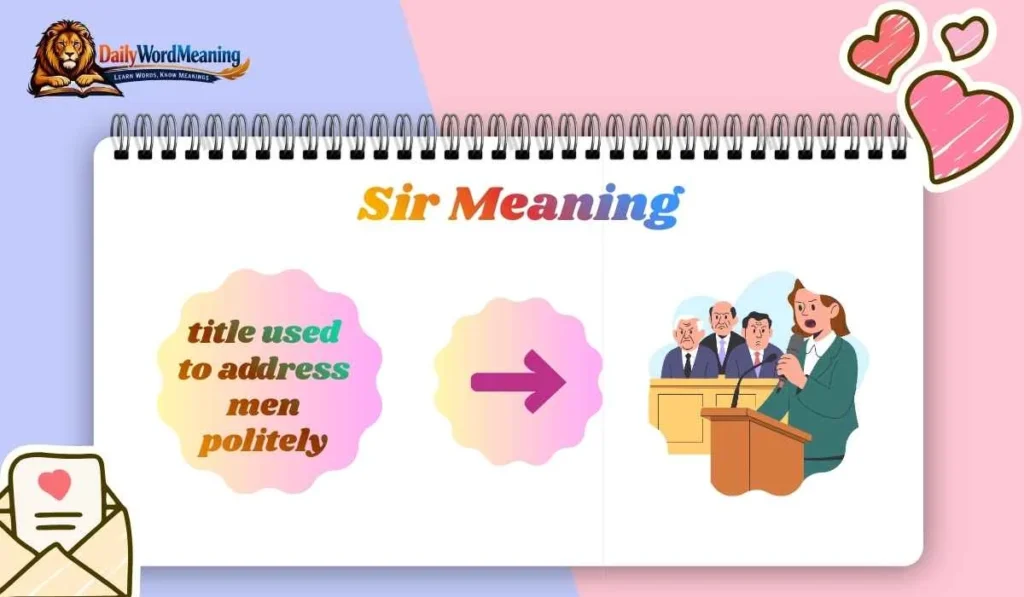
The word “sir” has been around for centuries. Traditionally, it’s a formal title used to address men politely, often in professional or respectful settings. For example, a student may address a teacher as “Sir,” or a customer might politely speak to a waiter with “Sir” at the start of a request.
Origin of “Sir”:
- Comes from the Old French word “sire”, meaning “lord” or “master.”
- Historically used in England as a knighthood title (e.g., Sir Isaac Newton).
- Over time, it became a polite form of address for men regardless of knighthood.
In modern texting or chat culture, however, “sir” can take on more playful, sarcastic, or even ironic meanings, depending on tone and context.
Key takeaway:
- Formal: Respectful address.
- Casual/online: Can be polite, humorous, or ironic.
How to Use “Sir” in Texts or Chat
Understanding the tone and context is crucial when using “sir” in digital communication. Here’s how you can do it effectively:
1. Polite & Respectful Use
- Context: Formal chats, customer service, professional conversations.
- Example: “Excuse me, sir, could you help me with this problem?”
2. Playful or Humorous Use
- Context: Friendly texts, memes, or joking with friends.
- Example: Friend: “I just finished all the cookies.”
You: “How dare you, sir!”
3. Sarcastic or Ironic Use
- Context: When someone is pretending to be serious or bossy.
- Example: “Oh, so you think you’re the boss now, sir?”
4. Gaming or Online Communities
- Context: Used to show mock respect or exaggerate politeness.
- Example: “Sir, may I join your raid team, please?”
Pro tips:
- When using “sir” online, watch the emoji usage — it often changes the tone. A 😎 or 😂 can make your “sir” playful, while 🙏 makes it more polite.
- Overusing “sir” in casual conversations may come off as sarcastic or over-the-top.
Examples of “Sir” in Conversations
Seeing examples makes it easier to understand the versatility of “sir” in chats.
Casual Texts
- Friend 1: “I finished the game level first!”
- Friend 2: “Impressive, sir! 👏”
Workplace Chat
- Employee: “The report is ready, sir.”
- Manager: “Great, thank you.”
Social Media Comments
- “Sir, your memes are next-level 😂”
- “Sir, please teach me your ways 😎”
Memes & Jokes
- “Me: drops my phone
- Friend: Sir, are you okay?”
Notice how “sir” shifts tone depending on context — it can be respectful, playful, sarcastic, or even dramatic.
Common Mistakes or Misunderstandings
While “sir” is versatile, there are a few pitfalls to avoid:
- Overuse in Casual Chats
- Constantly calling friends “sir” can feel unnatural or sarcastic.
- Misreading Tone
- Online texts lack vocal tone. A polite “sir” could be misinterpreted as sarcasm.
- Wrong Audience
- Using “sir” with peers who don’t expect formality can confuse them.
- Gender Assumptions
- Traditionally, “sir” refers to men. Avoid using it for women unless the context is clearly playful.
Quick tip: When unsure about tone, pair “sir” with emojis or context clues to clarify your intent.
Related Slangs or Abbreviations
In texting culture, “sir” often appears alongside or in comparison to other playful forms of respect:
- “Ma’am” – Polite address for women, less common in casual chats.
- “Bro” / “Bruh” – Casual, informal address among friends.
- “Boss” – Used jokingly to show respect or admiration online.
- “King” / “Queen” – Meme culture; playful, complimentary tone.
- “Fam” / “Dude” – Friendly and informal; often replaces formal addresses like “sir.”
Pro tip: Using “sir” alongside these terms can amplify humor or sarcasm. For example:
“Yes, sir king 👑, your plan is flawless!”
Why Understanding “Sir” Matters in 2026 Texting Culture
Texting and online communication evolve constantly. In 2026, “sir” is no longer just a formal title — it’s part of meme culture, gaming lingo, and everyday chats. Knowing how to use it correctly can:
- Help you avoid misunderstandings.
- Make your chats fun and engaging.
- Show that you are fluent in modern texting etiquette.
Recent online trends show that “sir” is often used humorously on platforms like TikTok, Discord, and Reddit. Memes like “Sir, may I have another cookie?” or exaggerated mock respect comments have kept the term relevant and fun.
Conclusion:
In summary, “sir” is a versatile word that can be formal, humorous, sarcastic, or playful depending on context.
Whether you’re messaging friends, posting memes, or texting professionally, understanding its meaning and proper usage is key to clear communication.

I am Zaho Lusi, and I am a meaning author.
I write simple, clear, and easy-to-understand meanings to help readers learn new words without confusion. My main focus is making language simple so that everyone—students, beginners, and curious learners—can understand words quickly and easily.