In today’s fast-paced digital world, abbreviations and idioms are everywhere, from social media posts to texting threads.
One phrase you might see is “pick your brain”. But what does it really mean? Why is it important to know this expression in chats, emails, or even casual social media messages?
Understanding “pick your brain” can save you from awkward moments, help you communicate like a pro, and even make your online conversations more relatable and engaging
. Updated for 2026, this guide breaks down the meaning, usage, examples, and common mistakes around this popular phrase.
What Does “Pick Your Brain” Mean? Definition & Origin:

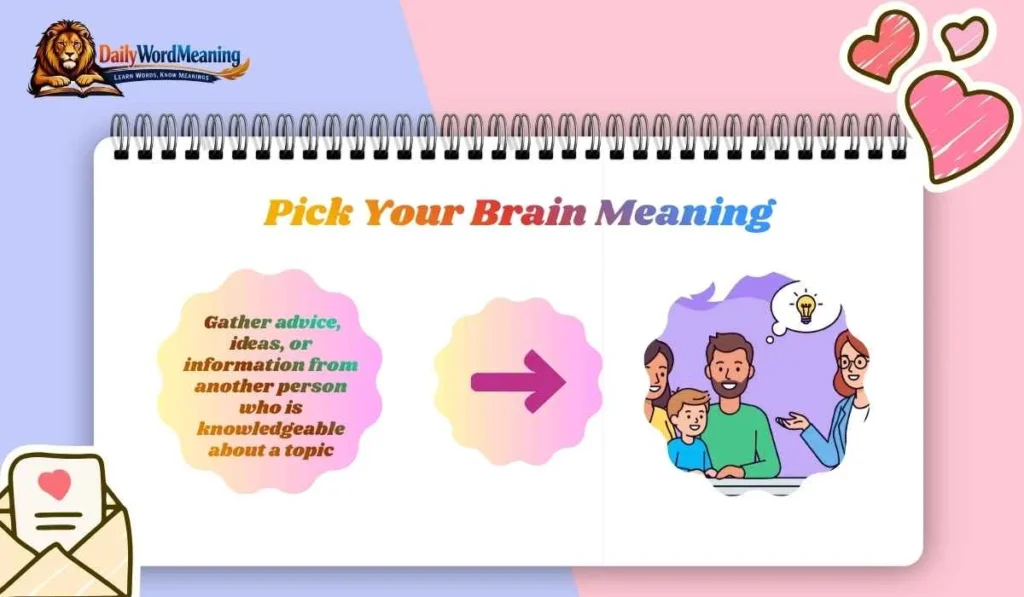
“Pick your brain” is an informal English idiom used when someone wants to gather advice, ideas, or information from another person who is knowledgeable about a topic. Essentially, it’s like saying: “I want to learn from your expertise.”
Origin
The phrase has been around since the early 20th century and originally conveyed the idea of extracting knowledge directly from someone’s mind—figuratively, of course! Over time, it became a common way to politely ask someone for insights, advice, or suggestions.
Key takeaway: When you “pick someone’s brain,” you’re not being creepy—you’re tapping into their expertise. 😄
How to Use “Pick Your Brain” in Texts or Chat
Using “pick your brain” in texting, social media, or even emails is simple, but context matters. Here are some tips:
- Polite Request: Always frame it as a friendly or professional question.
- Example: “Hey Alex, can I pick your brain about social media strategies?”
- Avoid Overuse: Don’t constantly ask for advice without giving back.
- Use in Professional Chat: Works well on LinkedIn, Slack, or email threads.
Pro tip: You can also make it casual:
- “Mind if I pick your brain for a sec?”
This keeps the tone conversational and friendly—perfect for WhatsApp or iMessage chats.
Examples of “Pick Your Brain” in Conversations

Here are real-life scenarios where this phrase fits naturally:
- Texting a Friend:
- “Hey, can I pick your brain about what movie to watch this weekend?”
- Professional Email:
- “Hi Sarah, I’d love to pick your brain about the upcoming marketing campaign. Do you have 10 minutes this week?”
- Group Chat:
- “Anyone want to pick my brain on DIY home projects? I need some tips!”
Notice how flexible the phrase is. You can use it in casual, professional, or group conversations without sounding awkward.
Common Mistakes or Misunderstandings
Even though “pick your brain” is widely understood, people sometimes misinterpret it. Here’s what to avoid:
- Being Too Direct: Saying “I want your ideas now” can seem pushy. Always soften it with polite phrasing.
- Overusing it in Casual Chats: Using it for minor or trivial questions may seem exaggerated.
- Misreading Tone: Remember, it’s figurative. Don’t literally “pick someone’s brain”! 😆
Quick tip: Pair it with gratitude to make it sound genuine:
- “Can I pick your brain on this project? I’d really appreciate your insight.”
Related Slangs or Abbreviations
If you love learning new idioms and chat abbreviations, here are some related terms:
- Brainstorm: Discuss ideas collectively.
- Example: “Let’s brainstorm some Instagram post ideas.”
- Hit me up (HMU): Informal way to ask someone to contact you.
- Example: “HMU if you want to pick my brain later!”
- TL;DR: Used to summarize long messages, often after advice.
- Example: “TL;DR: Pick your brain = ask for advice.”
These expressions often appear alongside “pick your brain” in casual texting or social media discussions.
How to Use “Pick Your Brain” Effectively
Understanding the right situations to use “pick your brain” can improve your communication and make you sound approachable:
- Social Media: Use in captions or messages to seek advice from followers or friends.
- Professional Networks: LinkedIn or Slack messages often start with this phrase to seek guidance.
- Texting & Chat Apps: WhatsApp, Messenger, Discord, or iMessage are perfect platforms for casual brain-picking.
Example:
- “Hey team, can I pick your brain on the new app design? I need your input before the launch.”
Notice how clear, polite, and context-specific this usage is. It demonstrates respect for others’ time while seeking valuable insights.
Fun Real-Life Scenario
Imagine you’re texting your friend about cooking:
- You: “Hey, can I pick your brain about pasta recipes?”
- Friend: “Sure! Want something quick or fancy?”
- You: “Quick, because my date’s coming in 30 minutes 😅”
This example shows how the phrase keeps chats light, relatable, and engaging while still achieving your goal: gathering advice.
Conclusion:
“Pick your brain” is more than just a casual idiom—it’s a handy tool for social, professional, and online communication
By understanding its meaning, using it politely, and avoiding common mistakes, you can tap into others’ knowledge seamlessly.
Remember, the key is context: whether it’s a friend, colleague, or online group, using “pick your brain” effectively helps you get advice while maintaining a friendly tone.
Updated for 2026, this guide ensures you’re fluent in modern chat culture!

Alex Carry is a passionate content writer and language researcher at DailyWordMeaning, dedicated to explaining modern words, slang, and internet terms in simple English.With a strong interest in digital culture and everyday language, Alex turns confusing meanings into clear, reader-friendly explanations.