In today’s fast-moving digital world, we’re constantly borrowing words from different languages to sound cooler, smarter, or more expressive in chats and online conversations.
One word that often pops up—especially in texts, DMs, dating apps, and social media bios—is “enchanté.”
If you’ve ever seen someone type enchanté and wondered what it actually means, when to use it, or whether it’s even appropriate in casual texting, you’re in the right place.
This updated guide breaks down the enchante meaning in simple, human language so you can confidently understand and use it in modern communication.
What Does “Enchanté” Mean? Definition & Origin
Enchanté Meaning Explained Simply
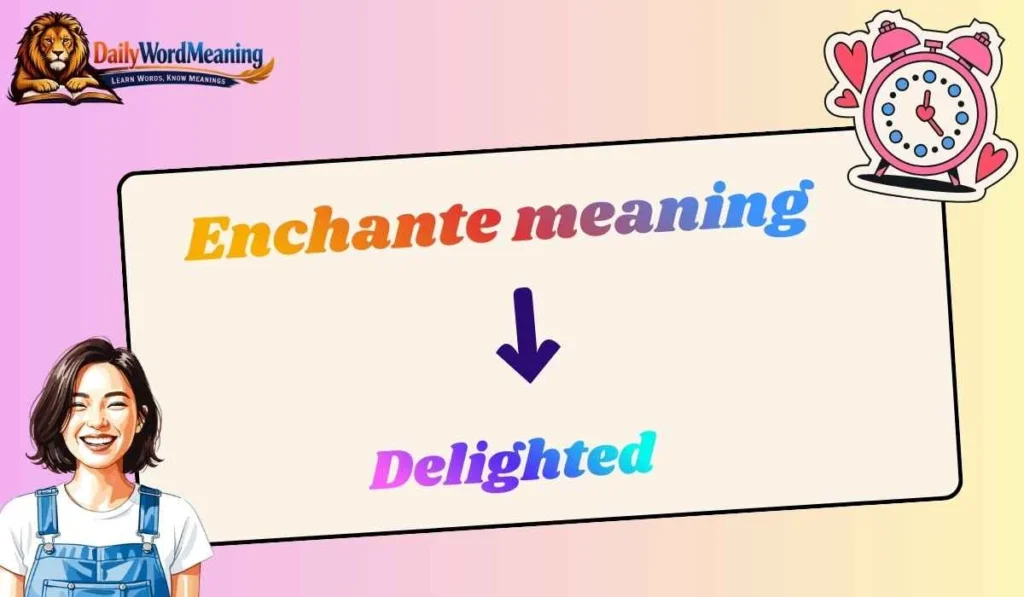
The word enchanté comes from the French language. Literally translated, enchanté meaning is:
“Delighted,” “pleased,” or “charmed to meet you.”
In French, it’s most commonly used when meeting someone for the first time, similar to saying:
- “Nice to meet you”
- “Pleased to meet you”
- “Glad to meet you”
So when someone says “Enchanté”, they’re expressing polite pleasure at making your acquaintance.
Origin of Enchanté
- Language: French
- Root word: enchanter (to delight or charm)
- Traditional usage: Formal and semi-formal introductions
Originally, enchanté was strictly used in spoken French during introductions. But thanks to global pop culture, social media, and internet slang evolution, it has found a place in English chats, texts, and online conversations.
How “Enchanté” Is Used in Modern Texting & Chat Culture
Enchanté Meaning in Text Messages
In texting, enchanté is often used playfully or stylishly rather than formally. People use it to sound:
- Sophisticated 😌
- Flirty 😉
- Polite but memorable
- Slightly ironic or humorous
Example:
“We finally matched 😄 Enchanté!”
Here, it’s less about strict etiquette and more about vibe and personality.
Common Platforms Where “Enchanté” Is Used
You’ll most often see enchanté on:
- Dating apps (Tinder, Bumble, Hinge)
- Instagram DMs
- Twitter/X replies
- Discord chats
- Comment sections
- Online forums
It’s especially popular among people who enjoy mixing foreign words with casual English to stand out.
How to Use “Enchanté” Correctly in Texts or Chat
Basic Rule for Using Enchanté
Use enchanté when:
- You’re meeting someone for the first time (virtually or in person)
- You want to sound charming or friendly
- You want to replace “nice to meet you” with something more stylish
Correct example:
“Hey Alex, I’m Sam. Enchanté!”
Enchanté in Casual vs Formal Contexts
While the word is formal in French, in English texting it’s usually:
- Casual
- Playful
- Slightly classy
You don’t need to worry about strict grammar rules in chats.
Gender Note (Important but Simple)
In French grammar:
- Enchanté → masculine
- Enchantée → feminine
However, in English chats, most people just use enchanté, regardless of gender. It’s totally acceptable and widely understood.
Examples of “Enchanté” in Real Conversations
Example 1: Dating App Chat
Alex: Hey! Loved your travel photos
You: Thanks 😊 Enchanté, I’m glad we matched
👉 Here, enchanté adds charm and warmth.
Example 2: Instagram DM
Follower: Just discovered your page—great content!
You: Thank you so much! Enchanté ✨
👉 Makes the reply feel personal and classy.
Example 3: Professional but Friendly Chat
Client: Hi, I’m Mark from the design team
You: Hi Mark, enchanté. Looking forward to working together
👉 Polite without sounding stiff.
Example 4: Playful or Ironic Use
Friend: Finally decided to text me back
You: Haha, enchanté 😏
👉 Used humorously, not literally.
Common Mistakes or Misunderstandings About Enchanté
Mistake 1: Using It in the Wrong Context
Enchanté meaning is about meeting someone, not reacting to news.
Incorrect:
“I got the job!”
“Enchanté!”
Correct:
“Congrats! That’s amazing!”
Mistake 2: Overusing It
Using enchanté in every conversation can feel forced or pretentious.
Tip:
- Use it sparingly
- Save it for first introductions or special moments
Mistake 3: Thinking It’s Slang Only
While popular online, enchanté is still a real French word, not pure slang. Treat it with a bit of respect.
Related Slangs & Abbreviations Similar to Enchanté
If you like the vibe of enchanté, here are similar expressions often used in chat:
English Alternatives
- Nice to meet you
- Pleasure to meet you
- Glad we connected
- Happy to meet you
Foreign Words Used in Texting
- Hola – casual hello
- Ciao – hello or goodbye
- Merci – thanks
- Adiós – goodbye
- Voilà – there you go
These words add personality, just like enchanté.
Why Understanding “Enchanté Meaning” Matters Online
Cultural Awareness
Knowing what enchanté means helps you:
- Avoid awkward replies
- Understand tone and intent
- Communicate more confidently
Social & Dating Advantage
Using words like enchanté correctly can:
- Make you sound more engaging
- Create a positive first impression
- Show cultural curiosity
Digital Etiquette
In online chats, small words matter. Understanding subtle expressions like enchanté helps you respond naturally instead of sounding robotic or confused.
SEO Insight: Why “Enchanté Meaning” Is Trending
Searches for enchante meaning have increased as:
- More people interact globally
- Dating apps grow in popularity
- Multilingual slang becomes mainstream
People don’t just want definitions—they want real usage examples, which is why this guide focuses on practical understanding.
Quick Tips for Using Enchanté Like a Pro
- ✔ Use it when meeting someone new
- ✔ Keep it casual in texts
- ✔ Pair it with emojis if appropriate
- ❌ Don’t use it for reactions or opinions
- ❌ Don’t overuse it
Conclusion:
To sum it up, enchanté meaning is all about expressing pleasure or delight when meeting someone, especially for the first time.
While it comes from French, it has smoothly transitioned into English texting, chats, and social media conversations as a stylish alternative to “nice to meet you.”
In modern usage, enchanté is less formal and more expressive.
Whether you’re chatting on a dating app, replying to a DM, or making a memorable first impression online, using enchanté correctly can instantly elevate your tone. Just remember to use it in the right context and keep it natural.

Alex Carry is a passionate content writer and language researcher at DailyWordMeaning, dedicated to explaining modern words, slang, and internet terms in simple English.With a strong interest in digital culture and everyday language, Alex turns confusing meanings into clear, reader-friendly explanations.