In today’s fast-paced digital world, even words with historical weight like “plague” can pop up in conversations, memes, and online discussions.
Whether you’re scrolling social media, texting your friends, or diving into history forums, understanding the plague meaning is important.
It’s not just about history; this word also pops up metaphorically in modern speech, describing anything from an irritating problem to a viral trend.
In this article, we’ll break down what plague really means, where it comes from, how people use it in conversation, and even some common mistakes to avoid. Updated for 2026, this guide is your go-to resource to confidently understand and use “plague” in all contexts.
What Does “Plague” Mean? Definition & Origin:
Definition:
The term plague has multiple meanings depending on the context:
- Medical / Historical Meaning:
- Originally, plague refers to a deadly infectious disease that spreads rapidly and can cause high mortality rates. The most famous example is the Black Death in the 14th century.
- Example: “The bubonic plague wiped out millions in Europe.”
- Metaphorical / Figurative Meaning:
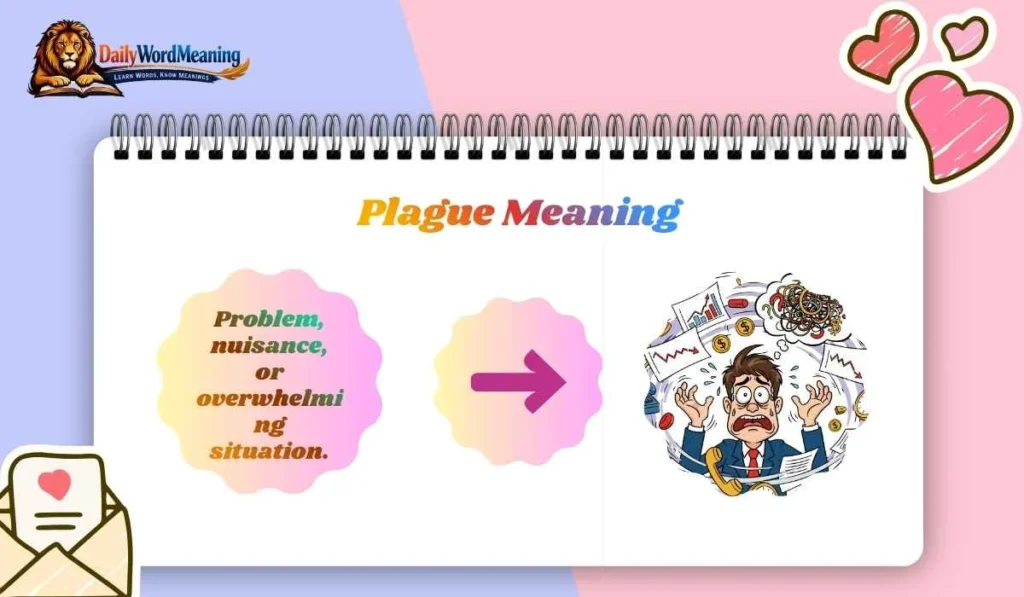
- In modern language, “plague” is often used metaphorically to describe any persistent problem, nuisance, or overwhelming situation.
- Example: “Procrastination has become the plague of my life.”
Origin:
- The word comes from the Latin plaga, meaning “blow” or “strike,” reflecting how sudden and devastating plagues were historically.
- Over centuries, the word evolved to describe both literal epidemics and figurative “troubles” in conversation.
How to Use “Plague” in Texts or Chat
Even though plague is historically serious, modern texting and chat culture often uses it metaphorically for dramatic effect. Here’s how to incorporate it correctly:
Formal / Serious Usage
- When discussing history, medicine, or science:
“Historians debate the causes of the plague in medieval Europe.”
Informal / Casual Usage
- In conversations with friends or online forums:
“Ugh, this traffic jam is a plague!”
“Homework has been plaguing me all weekend 😩”
Tips for Using “Plague” in Chat
- Use it when describing persistent problems or annoying situations.
- Pair it with emojis for a lighthearted tone: 🦠, 😷, 😩.
- Avoid using it for trivial complaints in professional contexts—it can sound overly dramatic.
Examples of “Plague” in Conversations
Here are some real-life scenarios where plague can appear naturally in chats:
- Texting a friend about bad luck:
“It seems like bad Wi-Fi is the plague of my life today.” - Commenting on social media trends:
“The new viral dance challenge is spreading like a plague 😂” - Using memes:
“When Monday hits you like the plague…”
Notice how the word can convey both humor and exaggeration while keeping your message clear.
Common Mistakes or Misunderstandings
Even experienced chatters can misinterpret or misuse “plague.” Here are some pitfalls:
- Overusing literal meaning in casual contexts:
- ❌ “This text message is a plague.”
- ✅ “This spam email is a plague.” (metaphorical, makes sense)
- Confusing plague with pest or virus:
- Plague refers to serious epidemics or metaphorically overwhelming problems, not just any small nuisance.
- Incorrect pluralization:
- “Plagues” can be used historically (“Many plagues struck Europe”), but the metaphorical sense is usually singular.
Related Slangs or Abbreviations
If you’re into modern texting or chat culture, plague often appears alongside or in comparison with:
- Viral: Something spreading quickly online.
“That meme went viral like a digital plague.” - Bug / Glitch: Minor nuisances, especially in gaming or tech.
“This app has a plague of bugs.” - FOMO: Fear of missing out, sometimes described dramatically:
“The FOMO is plaguing me again!”
These related terms show how “plague” has evolved from a literal medical term to a versatile metaphor in everyday language.
Why Knowing the Plague Meaning Matters Today
Understanding plague meaning is more than trivia—it helps you:
- Communicate effectively in texts, chats, and social media.
- Appreciate historical references in memes, articles, and conversations.
- Avoid misusing a serious term while keeping your language playful and modern.
Updated for 2026, the word “plague” has seamlessly entered both serious discussion and lighthearted digital culture, making it relevant in education, entertainment, and casual chats alike.
Conclusion:
To sum it up, plague is a word with rich history and versatile modern use. From the deadly epidemics of the past to playful exaggerations in texts today,
knowing its meaning, origin, and context can make your communication smarter and more relatable.
- Use it carefully in historical or serious discussions.
- Embrace its metaphorical use to describe persistent problems or dramatic situations.
- Combine it with emojis or modern slang for a fun, casual tone.

Alex Carry is a passionate content writer and language researcher at DailyWordMeaning, dedicated to explaining modern words, slang, and internet terms in simple English.With a strong interest in digital culture and everyday language, Alex turns confusing meanings into clear, reader-friendly explanations.